
Cast iron vs
aluminium
Structural advantages in engineering evaluation
Cast iron vs aluminium components is fundamentally a comparison between structural stability and weight-driven optimisation.
Aluminium is frequently selected when weight reduction is prioritised. Cast iron is selected when stiffness, vibration damping and dimensional predictability determine long-term system reliability.
Within the broader advantages of cast iron, this distinction is critical: many industrial systems benefit more from structural stability than from density reduction alone.
In engineering evaluation, the decisive factor is therefore not density in isolation — but how material behaviour influences lifecycle risk, production consistency and total cost of ownership.
These structural differences reflect the broader advantages of cast iron in industrial applications where stiffness efficiency and vibration control often determine long-term system performance.
Rethinking the lightweight default
Aluminium often benefits from a “modern lightweight” bias. In mobility applications, this is justified, as reduced mass can directly improve energy efficiency.
However, many industrial OEM systems are stationary, semi-static or structurally constrained. In these environments, stiffness, damping capacity and thermal stability frequently exert greater influence on performance than weight reduction.
When material selection is driven by assumed weight benefits rather than functional load requirements, the structural advantages of cast iron may be overlooked.
Engineering decisions should therefore reflect real operating conditions rather than inherited design preferences.
Fundamental material behaviour under load
Cast iron and aluminium differ significantly in elastic modulus, thermal expansion and damping characteristics.
Typical values illustrate the structural contrast: Young’s modulus is approximately 160–180 GPa for cast iron compared to 65–75 GPa for aluminium alloys.
The thermal expansion coefficient of cast iron is typically 10–12 µm/mK, whereas aluminium expands at roughly 22–24 µm/mK. Density is approximately 7.0–7.3 g/cm³ for cast iron and 2.7 g/cm³ for aluminium.
Aluminium clearly offers lower mass per volume. Cast iron, however, delivers substantially higher stiffness and significantly lower thermal expansion.
In dynamic systems, this difference directly influences deformation behaviour, tolerance stability, sealing performance and vibration response. The structural advantages of cast iron become increasingly relevant as load complexity increases.
Technical and commercial matrix
| Parameter | Cast iron (EN-GJL / EN-GJS) | Aluminium alloys |
| Density | High | Low |
| Stiffness (E-modules) | High (~2.5x aluminium) | Moderate |
| Vibration damping | Very high (especially grey iron) | Low |
| Thermal expansion | Low | High |
| Compressive strength | Very high | Moderate |
| Section thickness required for stiffness | Lower | Often increased |
| Dimensional stability in serial production | High | Sensitive to deformation |
| Raw mateiral price volatility | Relatively stable | Exposed to global energy markets |
| Recycled content potential | Typically high | Variable (primary aluminium energy intensive) |
| Best suited for | Stiff, vibration-sensitive structures | Weight-critical systems |
This comparison highlights a core advantage of cast iron: stiffness efficiency and thermal predictability often offset density advantages in non-mobility industrial applications.
System-level implications
Material choice affects more than isolated material properties. It influences geometry, machining strategy, assembly complexity and service performance.
Because aluminium has lower stiffness, achieving equivalent structural performance frequently requires thicker wall sections, additional ribbing or reinforcement features. In fully integrated structures, this trade-off becomes even more evident when comparing casting to fabrication, as explored in cast iron vs welded components where part consolidation and structural integration significantly influence total cost of ownership.
This can increase machining time, complicate fastening design and reduce net weight savings.
Cast iron’s higher modulus allows structurally efficient sections while maintaining alignment stability and reducing sensitivity to bolt preload variation. When evaluated at system level, stiffness-per-function frequently outweighs mass-per-volume.
This systems perspective is a central advantage of cast iron in industrial engineering.
Dynamic performance and acoustic stability
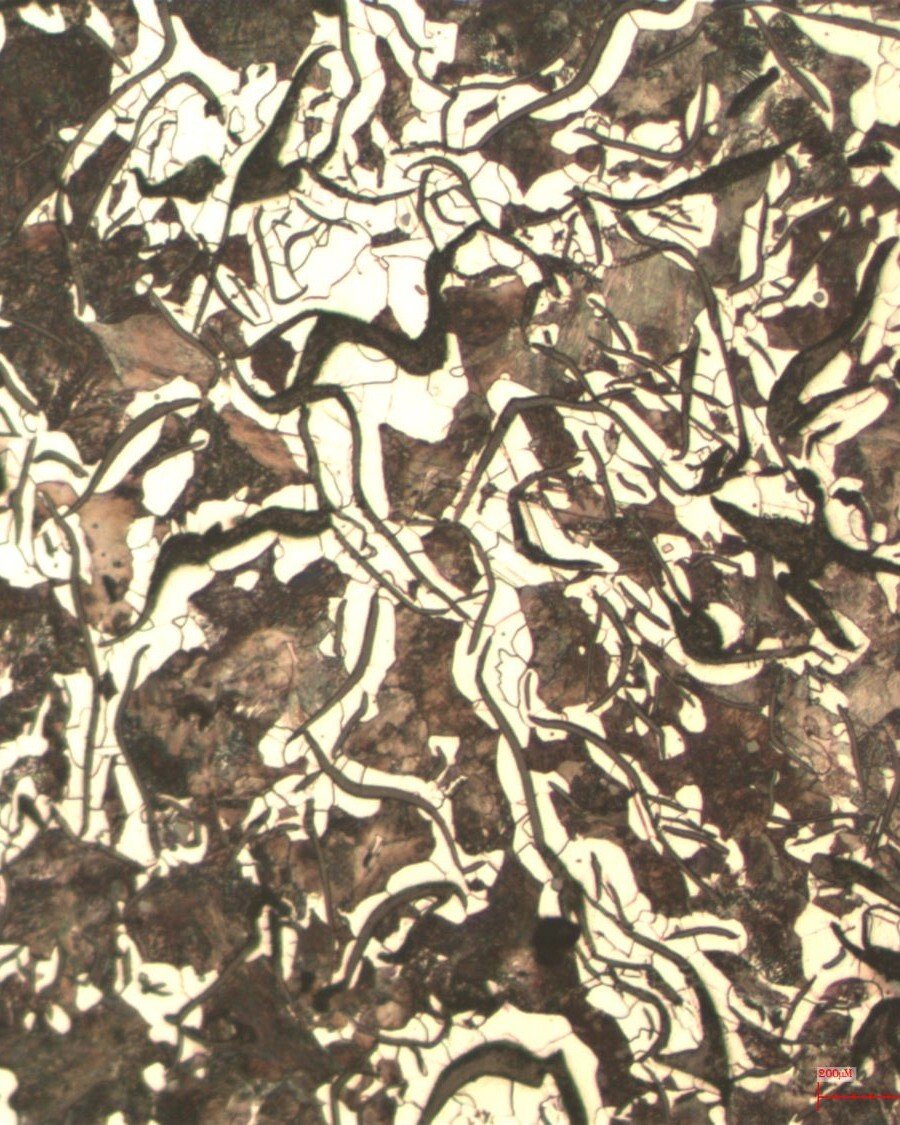
Grey cast iron’s graphite microstructure provides inherent vibration damping. Ductile iron balances strength with moderate damping capacity.
The internal flexibility of the material family is further illustrated in ductile cast iron vs grey cast iron where graphite morphology determines the balance between damping and tensile performance.
Aluminium has limited internal damping. In rotating or cyclic load systems, this can increase resonance sensitivity, vibration transmission and acoustic emission.
Where noise levels, fatigue behaviour or warranty exposure influence commercial risk, damping becomes strategically important. The inherent damping advantage of cast iron can therefore translate directly into operational stability.
Thermal stability and tolerance management
Aluminium expands nearly twice as much as cast iron under temperature variation.
In systems exposed to fluctuating thermal loads, this difference can influence sealing performance, bolt preload stability, bearing alignment and machining tolerances. Over time, thermal movement can accelerate fatigue development and increase maintenance requirements.
Cast iron’s lower expansion coefficient supports predictable geometry across serial production and reduces sensitivity to thermal cycling. For operations teams, this translates into stable process control and reduced rework risk — a tangible structural advantage.
Economic performance across production volumes
At medium to high production volumes, cast iron often strengthens total cost of ownership by reducing stiffness-driven redesign requirements and enabling functional integration within a single casting geometry. Its damping behaviour can reduce vibration-related service exposure, while recycled-based raw material streams contribute to supply stability and cost predictability.
Aluminium may deliver economic benefit when weight reduction directly lowers operational energy consumption or satisfies regulatory requirements.
However, in many industrial contexts, lifecycle economics favour structural efficiency over marginal mass reduction. The commercial advantages of cast iron therefore emerge most clearly when evaluated across full production scale.
When Cast Iron is the right choice
Cast iron is commercially optimal when structural stiffness, vibration damping and dimensional stability directly influence system performance, lifetime and reliability.
In many industrial applications, the decisive factor is not weight reduction, but the ability to maintain alignment, absorb dynamic loads and ensure predictable behaviour under thermal and mechanical stress. Here, cast iron enables structurally efficient designs with reduced sensitivity to deformation, vibration and tolerance variation.
In systems exposed to cyclic loading, acoustic constraints or temperature fluctuations, the material’s inherent damping capacity and low thermal expansion support stable operation and reduced lifecycle risk. This often translates into improved process control, lower maintenance requirements and more consistent production quality.
At system level, these properties can outweigh density advantages, particularly when aluminium solutions require additional geometry, reinforcement or machining to achieve equivalent performance.
Recognising these conditions clarifies where cast iron delivers superior value — not as a default choice, but as a structurally driven engineering decision that strengthens performance, reliability and total cost of ownership
Sustainability and supply resilience
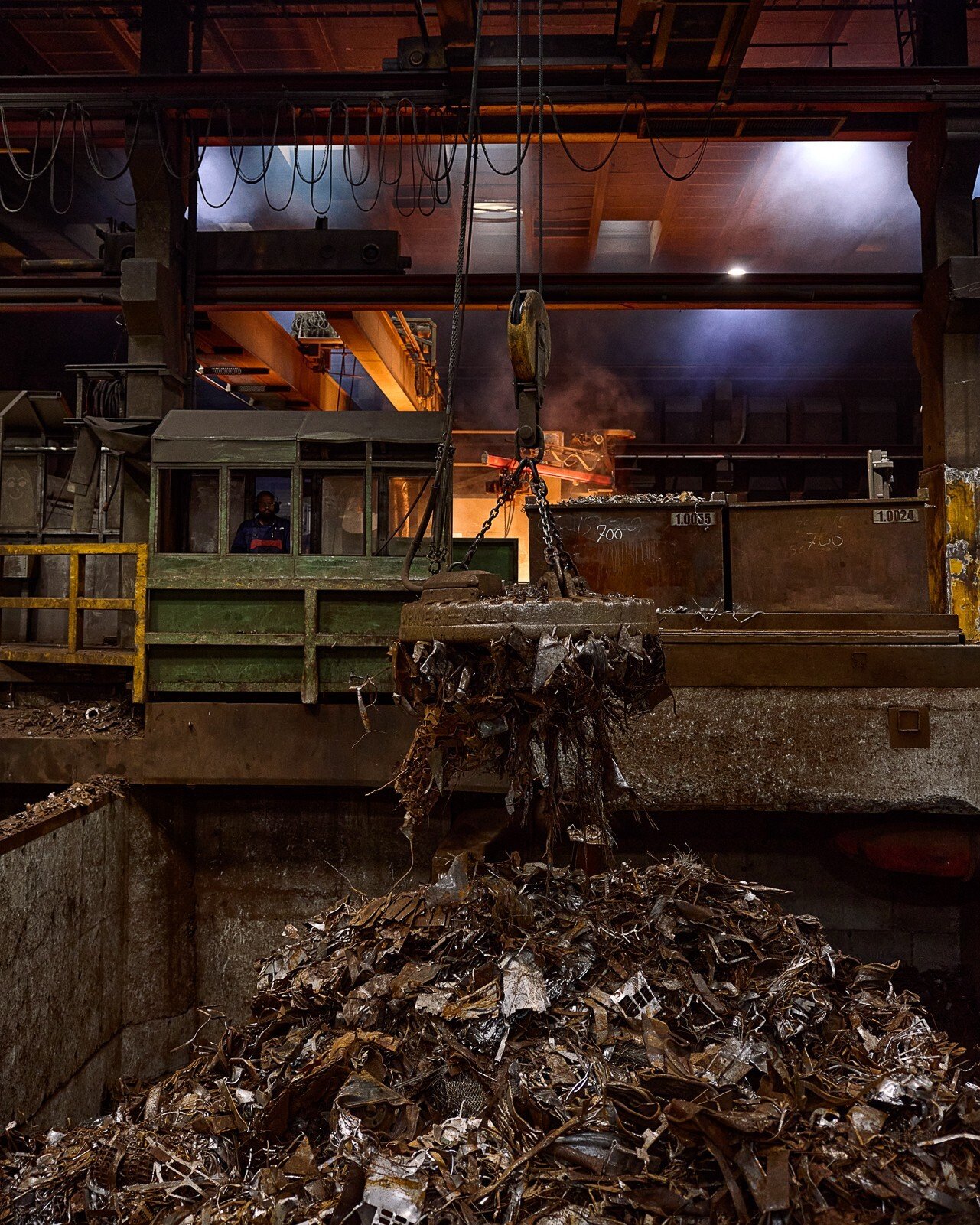
Cast iron production typically incorporates high levels of recycled scrap within stable circular systems. Modern foundries, like BIRN, increasingly operate with renewable electricity and advanced sand reclamation processes.
Primary aluminium production is energy intensive and strongly linked to electricity pricing. Recycled aluminium significantly reduces environmental impact, but scrap quality and availability vary.
From an ESG perspective, sustainability performance depends on sourcing, energy mix and lifecycle durability. In durability-driven industrial systems, cast iron’s long service life and structural robustness can support measurable environmental stability.
Engineering decision priorities
When evaluating cast iron vs aluminium components, structural stiffness under real load cases, vibration sensitivity, thermal expansion impact and lifecycle production economics should be assessed holistically.
Material selection is ultimately a system-level risk management decision. The structural advantages of cast iron become decisive when long-term performance, stability and predictability outweigh weight reduction alone.
Structured feasibility assessment
Cast iron and aluminium represent different engineering philosophies. Aluminium optimises mass. Cast iron optimises structural integrity.
These distinctions reinforce the long-term advantages of cast iron particularly in stiffness-driven industrial systems.
Within the broader advantages of cast iron, stiffness efficiency, vibration damping and dimensional stability form a consistent value proposition across industrial applications.
If aluminium has been specified primarily due to weight assumptions, a structured casting feasibility review can clarify whether cast iron would strengthen performance robustness and lifecycle economics in the specific load case.
At BIRN, such evaluations combine materials expertise, foundry process control and commercial modelling to quantify structural trade-offs objectively.
Early-stage assessment delivers the greatest technical and financial leverage.
FAQ - Cast iron vs aluminium
Cast iron is denser, but structural efficiency depends on stiffness requirements and system design rather than weight alone.
Because deformation, alignment drift and vibration influence durability, machining precision and service life.
Both can perform well depending on sourcing and energy mix. Lifecycle assessment must consider durability, recycled content and operational performance.
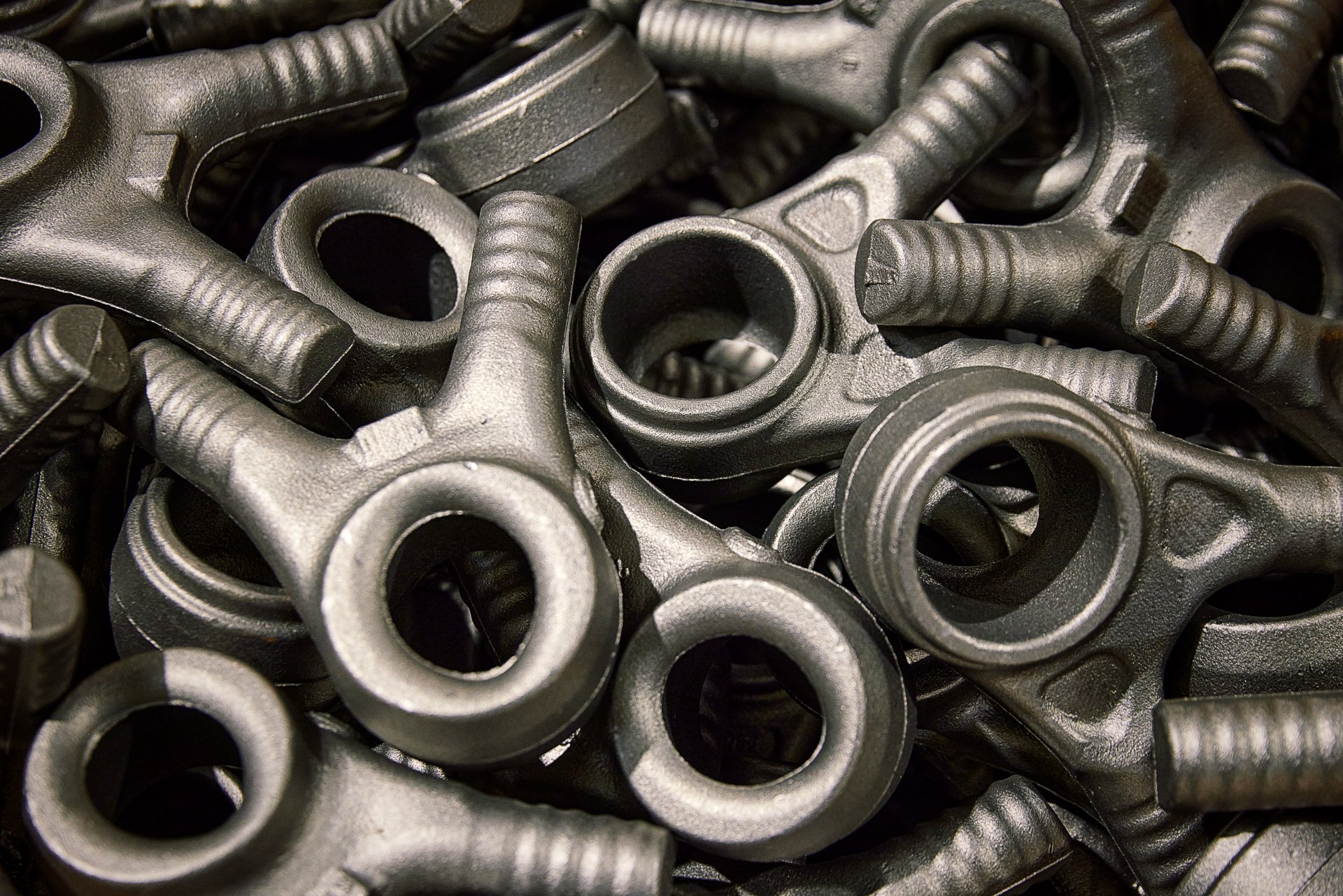
Ductile (nodular) cast iron vs grey cast iron
Learn the differences between ductile- and grey cast iron.
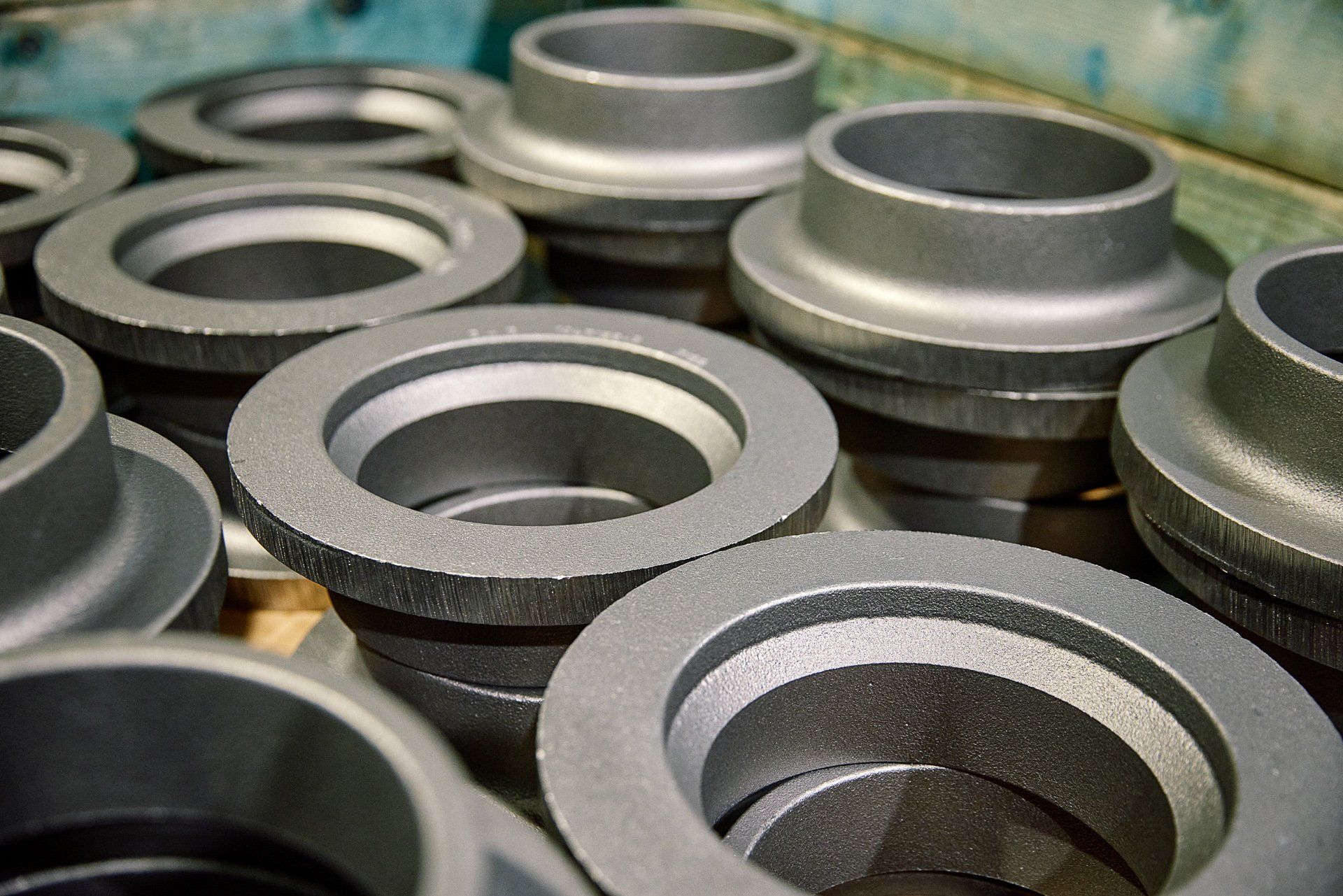
Cast iron vs stainless steel
Learn more about the key differences between cast iron and stainless steel. Choose the correct material for your applications.
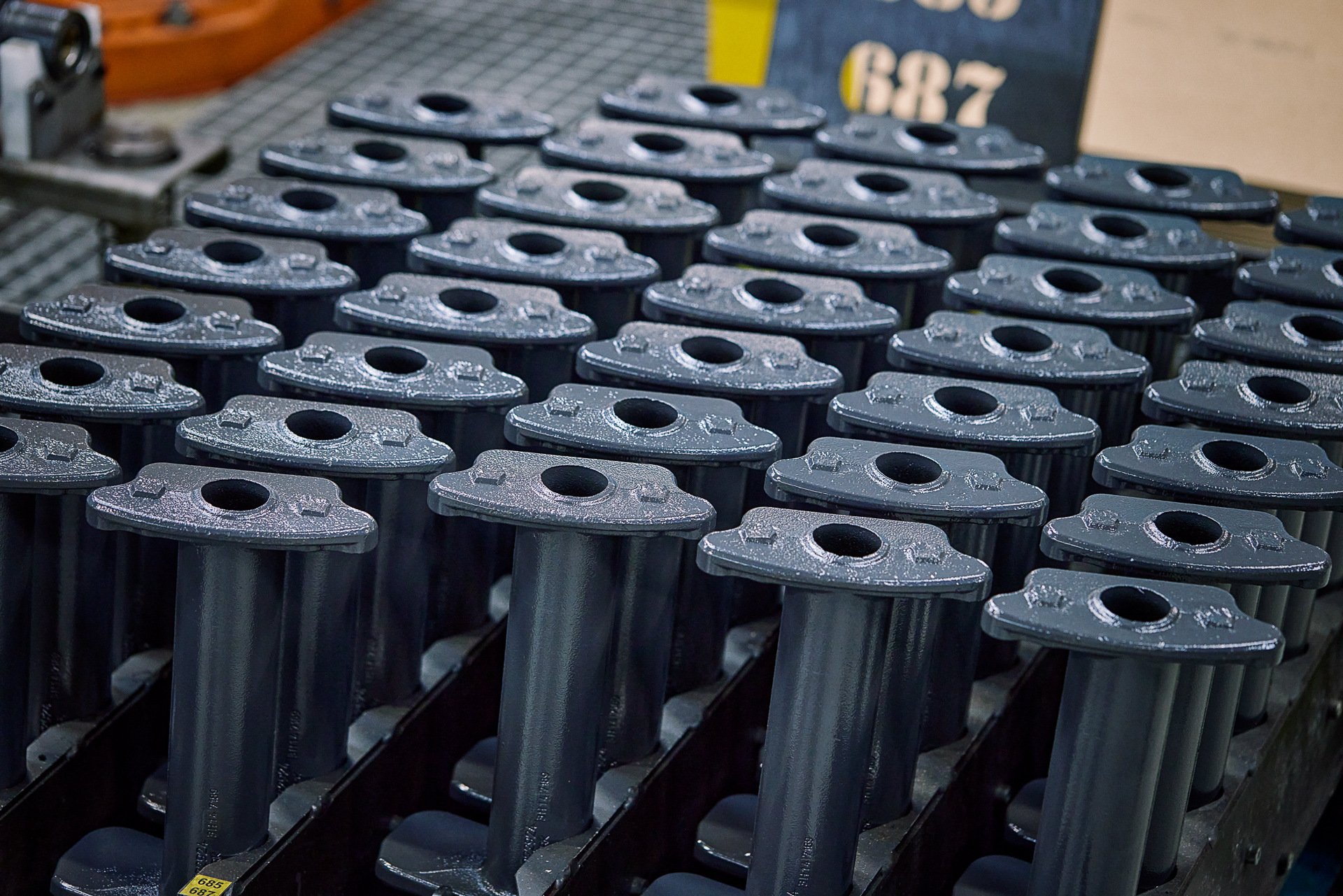
Cast iron vs welded components
Learn more about the key differences between cast iron and welded components.